

CHARGE strengthens the capacity of food authorities and stakeholders to address unclear and fragmented regulatory approaches affecting heritage, traditional and artisan food products. CHARGE does not create or harmonise regulations but rather support cooperation among Arctic food institutions for ensuring clear understanding of regulations affecting traditional foods.
CHARGE brings together regulatory bodies, producers, indigenous communities and food heritage organisations, in order to support partners to map heritage foods and their regulatory pathways, develop a digital Clarification Tool, test procedures through cross-regional pilots, and promote lasting institutional cooperation that protects food heritage and makes regulatory processes clearer and more accessible.
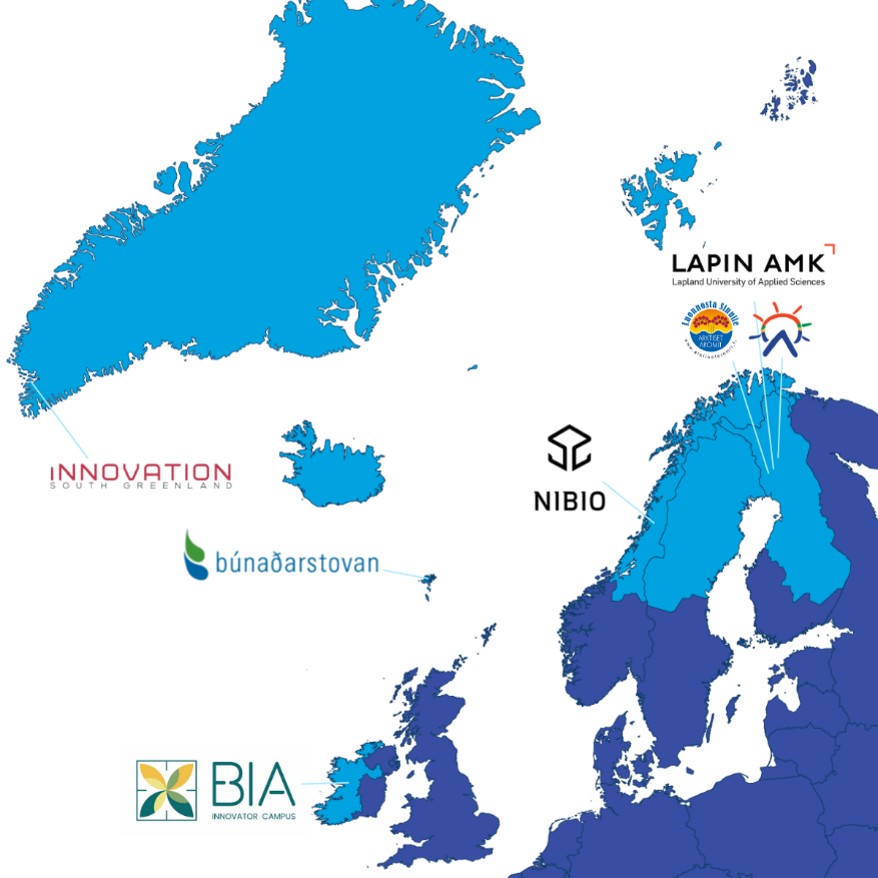
CHARGE: Enhancing Institutional Capacity for Heritage Food Governance
Project Status: Active
Project Leader: Lapland University of Applied Sciences
EU Programme: Northern Periphery and Arctic (2021 – 2027)
Total Project Budget: €1,249,238.94
Start Date: September 2026
Finish Date: February 2029
CHARGE will enhance food governance across the NPA regions by strengthening institutional capacity and addressing regulatory challenges related to traditional and heritage food products.
Through transnational cooperation, the project will develop evidence-based tools, pilot collaborative approaches, and foster shared understanding among authorities, producers, and Indigenous communities.
The project will support the sustainable development of heritage food products, improve regulatory assessments, and contribute to resilient Arctic communities and the goals of the EU Arctic Policy.
Aims and Results
- Strengthen the institutional capacity of food authorities to assess traditional and heritage food products.
- Improve heritage food governance by clarifying ambiguous regulations and regulatory interpretations that disproportionately affect artisan and heritage food producers.
- Recognise and embed Indigenous and locally transmitted food knowledge in transnational regulatory processes, tools and decision-making.